













DELRAY BEACH
Where
Centered at the East End of Atlantic Avenue, Delray Municipal Beach is sited on S Ocean Blvd,Delray Beach, FL 33483. The city also encompasses Anchor Park and Atlantic Dunes Park.
Vibe
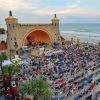
Fun central in a walkable city with an artsy vibe and great food. Delray Municipal Beach is a mellow nirvana of sand and surf, offering a watery playground for sports of all kinds. Located in a charming, upscale village brimming with al fresco bistros, hip pubs and eclectic shops, this beach is ideal for families, couples, friends and adventurers.
See, feel
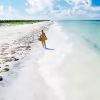
Delray Beach welcomes visitors with graceful palms, expansive dunes, a generous beach thick with light brown sand, and a vast panorama of blue ocean and surf. Umbrellas, cabanas and chairs invite you to sit down and enjoy the day, while sailboats lined on beach, paddleboarders, and wind surfers pay homage to Delray’s adventurous spirit. Everyone has a place here: active older adults, toddlers, teens, couples and young people. As you can imagine, it’s popular, so you can anticipate some crowds on weekends, but you’ll always have room to spread out your beach towel. Expect some waves, which will vary depending on the tides, winds and offshore systems.
On or near the beach
Designated specific use areas on Delray Beach are set up for swimming, surfing, volleyball, sailing, wind surfing, snorkeling, with two recreational areas for kite flying, Frisbees, paddleball, and the like. Rent the sports gear you need—a Hobie Cat, paddleboard, surfboard, snorkeling gear or kayak—from Delray Beach Watersports.
Accessibility
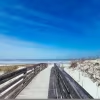
At the North end of Delray Beach, at the intersection of Atlantic Avenue and A-1-A, you’ll find an elevated, covered pavilion as well as an access mat that extends out onto the beach. Handicap parking is located on A-1-A next to these facilities. Across Atlantic Avenue, Sarah Gleason Park includes an accessible restroom. Delray Beach invites visitors with limited mobility to enjoy surf wheelchairs, free of charge, on a first-come, first-serve basis, with a two hour time limit. For additional information on the surf chairs call Ocean Rescue at (561) 243-7352.
Here's more accessibility information.
Facilities
Sailboat Storage, volleyball courts, showers, bicycle racks, surfboard racks, picnic tables, and water fountains. Located immediately across the street, Sarah Gleason Park is complete with restrooms. Oceanside Beach Service offers beach rentals, including umbrellas, chairs and cabanas. You don’t need a reservation, just pick out where you’d like to sit and the attendant will take care of you.
Lifeguards
Yes, year-round. Here’s where you can find lifeguard hours. To view the current beach conditions, visit the Beach Page.
Parking
Beach parking is available in several city lots, including Anchor Park, Sandoway Park, Ingraham Park, Orange Grove and the north and south lots at Atlantic Dunes Park, as well as metered spaces along Ocean Boulevard (A1A) and at Gleason Street. The city offers an annual beach parking permit for designated beach lots, but it does not cover parking along A1A or at Gleason Street. A separate permit for qualifying residents age 70 and older covers certain parallel parking spaces along A1A.
MORE GREAT BEACHES IN SOUTHEAST FLORIDA
Fort Zachary Taylor State Park
John Pennekamp Coral Reef State Park
Q. Where is Delray Beach?
A. In Palm Beach County, on the Atlantic between Boynton Beach to the north and Boca Raton to the south. The beach runs along South Ocean Boulevard, which is State Road A1A, and the municipal beach is centered where Atlantic Avenue meets the ocean.
The layout is the appeal. Atlantic Avenue runs from downtown straight to the beach, so you can park once, eat, shop and walk to the beach without moving the car.
Q. Are there lifeguards?
A. Yes, every day of the year. Delray Beach Ocean Rescue, run by the Fire Rescue Department, supervises both the Municipal Beach and Atlantic Dunes Park 365 days a year.
Delray Beach Ocean Rescue staffs eight lifeguard towers along the municipal beach and at Atlantic Dunes Park, with coverage from 9 a.m. to 6:30 p.m. during daylight saving time. The beach away from those towers is unguarded, and so is the whole beach outside staffed hours.
Q. How do I check conditions before I swim?
A. Beach warning flags fly at the lifeguard towers. Green is low hazard, which is not the same as risk free. Yellow is medium hazard, with moderate surf or currents. Red is high hazard. Two red flags mean the water is closed. Purple means dangerous marine life has been reported, and it can fly alongside any other color.
The city runs a recorded beach conditions line at 561-272-3224, and Ocean Rescue can be reached at 561-243-7352.
Q. What is the water like?
A. Atlantic beaches tend to have more waves than the Gulf. Conditions change daily, and rip currents can occur even when the ocean appears calm.
If you're caught in a rip current, swim parallel to shore until the pull releases rather than fighting straight back toward the sand, and raise an arm to signal a lifeguard. Call 911 in an emergency.
Jellyfish and Portuguese man o' war can arrive with onshore winds. If you're stung, rinse the area with seawater, not freshwater, and carefully remove any remaining tentacles without touching them with bare hands. Don't rub the area. Warm-to-hot water can help relieve pain. Seek medical attention for severe or persistent symptoms, and call 911 for difficulty breathing, chest pain or signs of a serious allergic reaction.
Q. Where do I park?
A. Beach parking is available in several city lots, including Anchor Park, Sandoway Park, Ingraham Park, Orange Grove and the north and south lots at Atlantic Dunes Park, as well as metered spaces along Ocean Boulevard (A1A) and at Gleason Street. The city offers an annual beach parking permit for designated beach lots, but it does not cover parking along A1A or at Gleason Street. A separate permit for qualifying residents age 70 and older covers certain parallel parking spaces along A1A.
Q. Is the beach accessible?
A. Yes. Chairs are free of charge on a first-come basis, with a two-hour time limit, available from 9 a.m. to 4:30 p.m. Users must have a companion capable of assisting them.
They're kept at four points: towers South 1, South 3 and South 5, and Atlantic Dunes Park. Note the wheelchair hours end earlier than the lifeguard towers close, so an afternoon arrival can miss them. Let the lifeguards know you want one, or call Ocean Rescue at 561-243-7352 ahead of your visit.
Q. Can I bring my dog?
A. No. Dogs are not permitted anywhere on Delray Beach's beaches, including Atlantic Dunes Park. Service animals as defined by the Americans with Disabilities Act are allowed. Leashed dogs are permitted along the A1A sidewalk and designated grassy strip next to the municipal beach. Palm Beach County prohibits dogs on nearly all of its public ocean beaches.
Q. What is Atlantic Dunes Park?
A. The quieter, more natural end of the city's beach, on A1A a block north of Linton Boulevard, open 8 a.m. to dusk.
Alongside the beach access, Atlantic Dunes Park has a preserved coastal dune with a short nature trail through sea grape and native scrub. It has its own lifeguard tower and parking, and it's the better choice if the Atlantic Avenue end feels too busy.
Q. What else is nearby?
A. Atlantic Avenue is the main draw, with restaurants, galleries and shops running from the beach back into downtown. Sandoway Discovery Center, in a 1936 oceanfront home across from the beach, is a small natural history and marine center with a coral reef tank and shark feedings.
The Morikami Museum and Japanese Gardens is a short drive inland and is worth the trip on a hot afternoon or a rainy one.
Q. When is the best time to visit?
A. Winter is comfortable and usable here, which is why it's the busy season. Ocean temperatures off Palm Beach County sit in the low to mid-70s in January and February, and the air is mild and dry, so swimming stays realistic through the cool months.
Summer is hot and humid with afternoon thunderstorms, and the ocean is at its warmest. March brings spring break crowds to Atlantic Avenue, though not every day or every stretch of sand will be busy, and Atlantic Dunes Park stays calmer than the main beach.
Q. What about sea turtles?
A. Nesting season in Palm Beach County runs March 1 through Oct. 31.
Leave nests and their markers alone. Fill in holes and knock down sandcastles before you go, because either can trap a hatchling, and take chairs, umbrellas and tents off the sand overnight. Don't use flashlights or flash photography near nesting turtles or hatchlings.
On lighting, the standard is that artificial light must not be visible from the beach during the season, and shielded, turtle-friendly amber fixtures are permitted and may stay on. Florida Fish and Wildlife publishes the lighting rules, and disturbed nests or injured turtles go to the state Wildlife Alert line at 888-404-3922.


